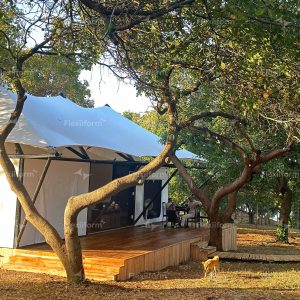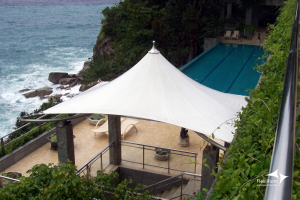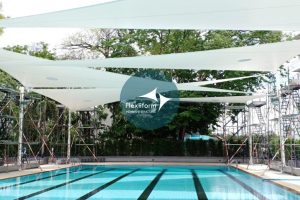
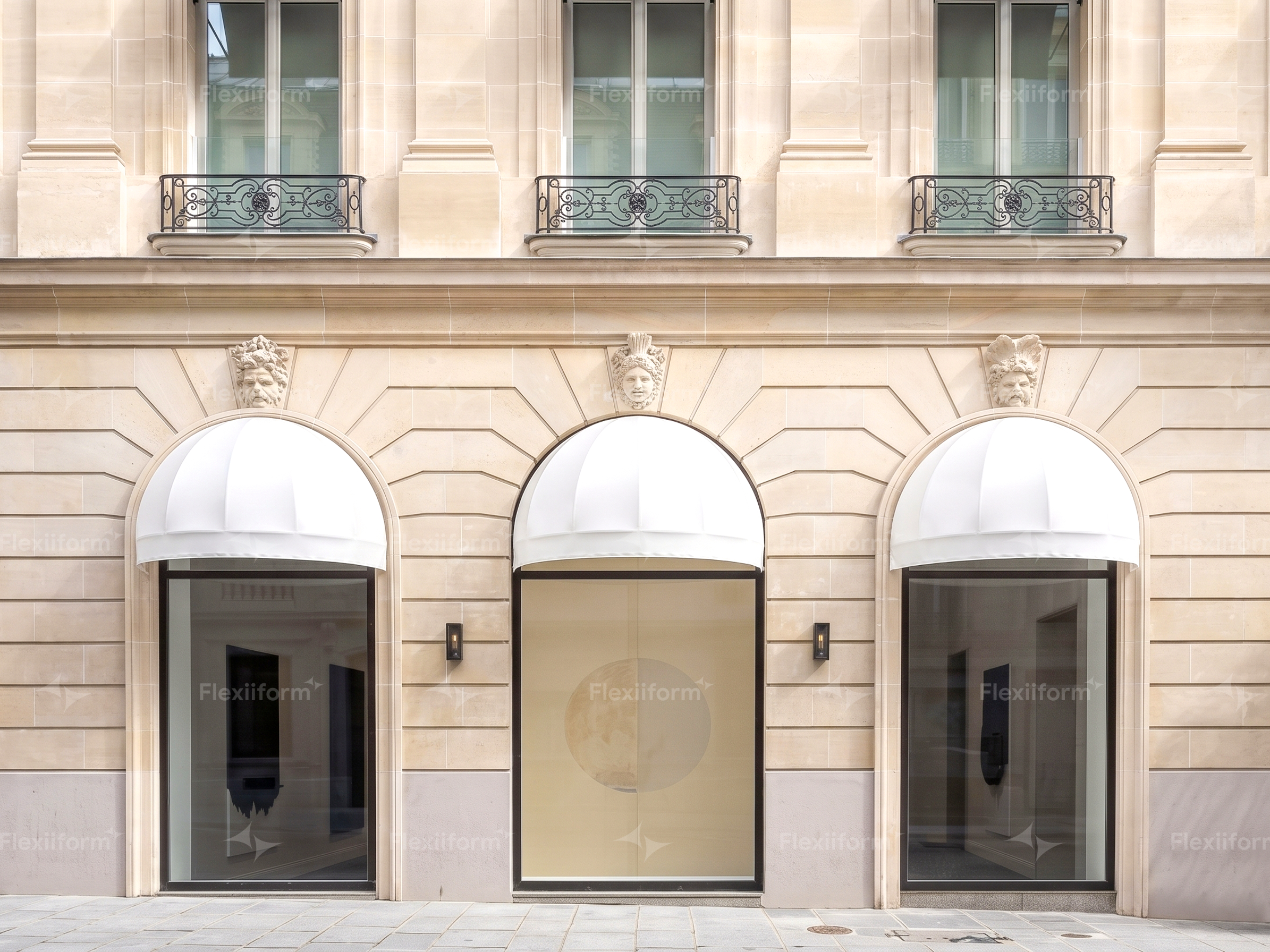
An outdoor cafe canopy shades the outdoor seating of a cafe from sun and rain: the garden, the shopfront, the bar counter or a corner of the roof terrace. The common options are patio umbrellas, temporary tarps or shade cloth, retractable awnings, fixed metal or polycarbonate roofs, shade sails and tensile membrane pergolas. Which one fits depends on three questions: which area must stay usable in the rain, which hours the cafe is busiest, and whether you want the canopy to become part of the cafe’s identity.
This guide compares six types of outdoor dining canopy, explains when a retractable cover makes sense and when a fixed one does, shows how to keep a garden cafe open through the rainy season, then suggests a tensile canopy for each zone of a cafe and what to check before installation.
Outdoor cafe canopies at a glance
- Used for garden seating, shopfront and entrance, bar counter or coffee cart, photo spot, live music corner, roof terrace
- Six common types patio umbrellas, temporary tarps or shade cloth, retractable awnings, fixed metal or polycarbonate roofs, shade sails, tensile membrane pergolas
- Rainproof retractable awnings (when extended), metal and polycarbonate roofs, properly pitched tarps, closed-roof tensile pergolas. Umbrellas only handle light rain; shade cloth and shade sails are mainly for sun
- Movable or fixed umbrellas and awnings fold away; metal roofs and pergolas are anchored structures
- Rainy season a continuous roof over the tables, curtains on the windward side, a plan for roof runoff and a paved path to the seats
- What Wild Duck supplies prefabricated tensile membrane pergolas, fabric canopies for shopfronts and a star shade tent for event areas; not umbrellas or retractable awnings. Patio umbrellas and retractable roofs (the FlexiiSmart range) are supplied by the company Flexiiform
Which areas of a cafe need a canopy?
- Main garden seating: where most tables are, and the first place guests leave when it starts to rain if the roof has gaps.
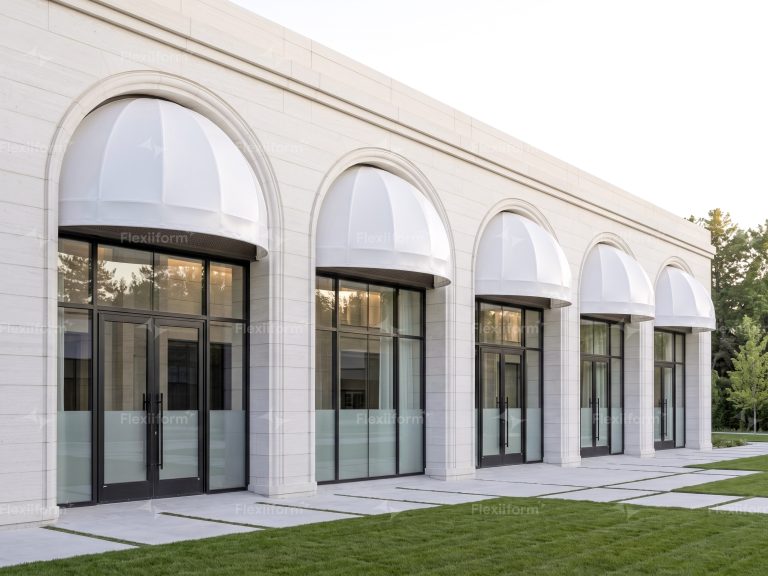
- Shopfront and entrance: where guests park and wait, and what passers-by see first. Our guide to the dome awning and fabric canopy covers awnings over doors and windows.
- Bar counter, coffee cart, order point: staff stand there all day, and machines and glassware need protection from afternoon sun and driving rain.
- Sofa and lounge area: seats at the edge of the roof catch low afternoon sun, so the roof should be wider than the seating.
- Photo spot: a garden cafe lives on guests’ photos, so a distinctive roof shape is something people photograph and share.
- Live music corner, event area: a small stage, DJ table and speakers must stay fully covered.
Six outdoor dining canopy types compared
The table compares the cafe canopy types most often seen in tropical cities, by rain protection, advantages and what to watch for in long-term use:
| Canopy type | Keeps rain off | Advantages | Watch for |
|---|---|---|---|
| Patio umbrellas (centre pole, cantilever) | Light rain, without wind | Cheap, easy to move, add or remove with the number of tables | Must be closed in strong wind; rain falls through gaps between umbrellas; many umbrellas look scattered |
| Temporary tarp or shade cloth | Tarp yes, shade cloth no | Low cost, quick to put up | A tarp without enough pitch collects water and sags; shade cloth only reduces sun; looks makeshift if left up for long |
| Retractable awning | Yes, when extended | Folds back for open sky in the evening | Usually fixed to a wall, so it only covers a strip along the facade; must be retracted in strong wind; moving parts need maintenance |
| Fixed metal or polycarbonate roof | Yes | Fully covered, straightforward to build | Metal is hot and loud in rain without insulation; polycarbonate traps heat and shows dust and leaves; can look like a carport |
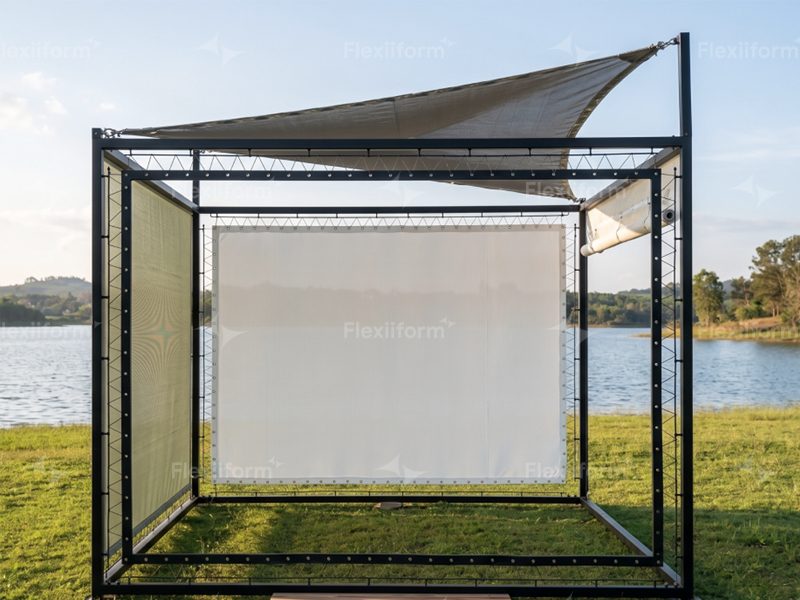
| Shade sail | Mostly no | Airy, modern shape, large area of shade | Curved sail edges leave open gaps; mainly for daytime seating |
| Tensile membrane pergola | Yes (closed roof) | A continuous roof over a whole group of tables; cone, dome and wave shapes become a landmark; curtains and partitions can be added; the roof can be replaced while keeping the frame | Upfront cost is usually higher than umbrellas or tarps; needs correct tensioning; clean the membrane periodically to keep it bright |
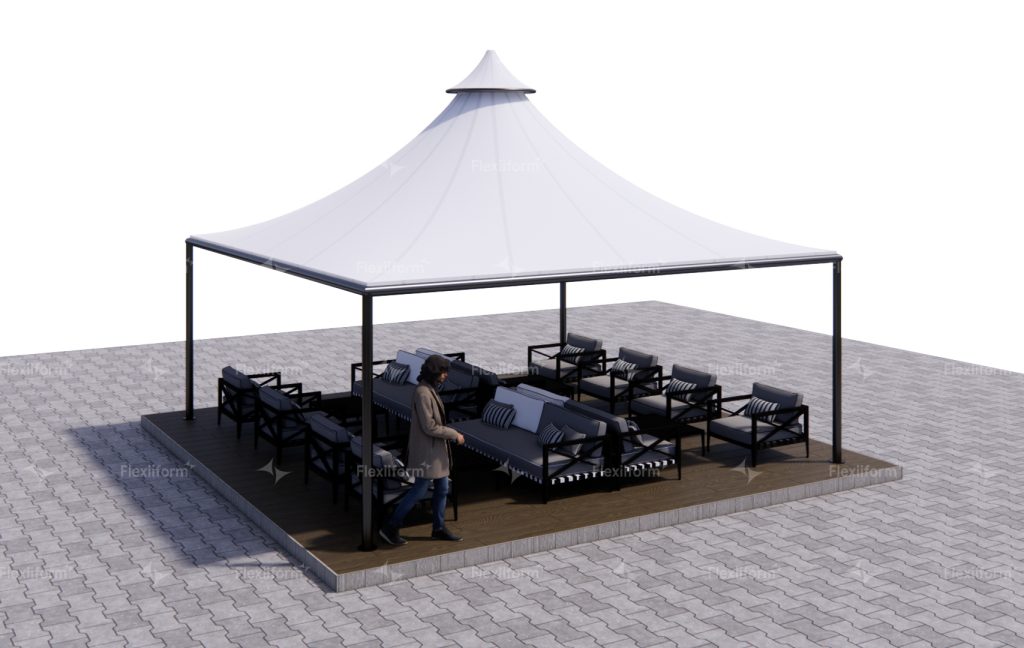
Many cafes combine two types: a fixed, closed roof over the main seating so rain never empties the garden, and umbrellas or shade sails over secondary seating that is only busy in the morning and evening.
Retractable or fixed: which cafe canopy?
Retractable awnings and umbrellas can be folded away: open sky for guests in the evening, closed up when the wind picks up. The trade-off is coverage. An awning is usually fixed to the building, so it only shades the strip of patio along the facade, and umbrellas leave gaps between tables.
A fixed structure such as a pergola or a metal roof can cover tables in the middle of the garden, far from any wall, and nobody has to open or close it when the weather changes. With a tensile pergola, the flexible part is the curtain: lower it on the open side when rain blows in, roll it up when you want the breeze.
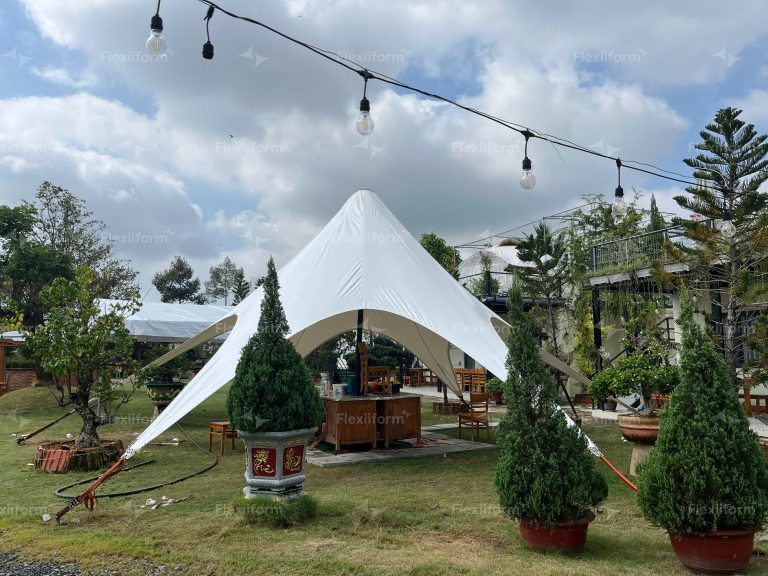
Wild Duck Glamping Tent does not make umbrellas or retractable awnings. Both are supplied by the company Flexiiform. For a folding or sliding retractable roof, or a roller blind, Flexiiform offers the FlexiiSmart retractable roof range: aluminium frames and rails, a fabric roof that extends and retracts, with optional sun and wind sensors, LED lighting and remote control.If the cafe needs a seasonal or event canopy that can be taken down, Wild Duck’s Star Shade Tent is a simpler option: a single centre pole, a tensioned multi-arm fabric roof and no foundation digging, so it can be packed up and moved.
Keeping a garden cafe open in the rainy season
In tropical climates, garden cafes are often emptiest on rainy-season afternoons: once the rain starts, guests sitting outside move indoors or leave. Five points keep the garden usable in the rain:
- A continuous roof over the tables: avoid gaps between umbrellas or between two adjacent roofs right above where guests sit. If you join several roofs side by side, ask how the gap between them is handled.
- Curtains on the windward side: wind-driven rain comes in from the open sides, not straight down, so one or two curtains on the prevailing wind side are often enough.
- Where roof water goes: tensile and pitched roofs shed water quickly. Plan a drain or gravel bed where the water lands so it does not run across paths or under tables.
- A covered or paved path: guests should not cross wet grass to get from the door to their table.
- Weatherproof furniture and cushions: outdoor-rated furniture, or a quick place to store cushions when the sky turns.
Wild Duck pergolas can take a Curtain Module to block low sun and driving rain, and a Partition Module to divide private seating for groups or a smoking area. Curtains suit the closed-roof models such as the cone, dome and wave roofs; for the shade sail models, ask Wild Duck to check the option.
Choosing a tensile canopy for each cafe zone
Wild Duck offers 7 models in the Pergola Modules range, all prefabricated on a modular frame, plus a fabric canopy for facades and the Star Shade Tent. The table suggests a model for each zone of a garden cafe, based on each model’s roof shape and coverage:
| Cafe zone | Suggested model | Why |
|---|---|---|
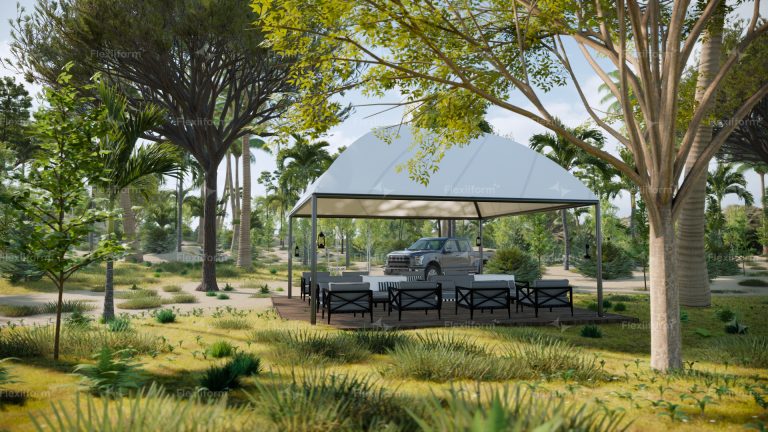
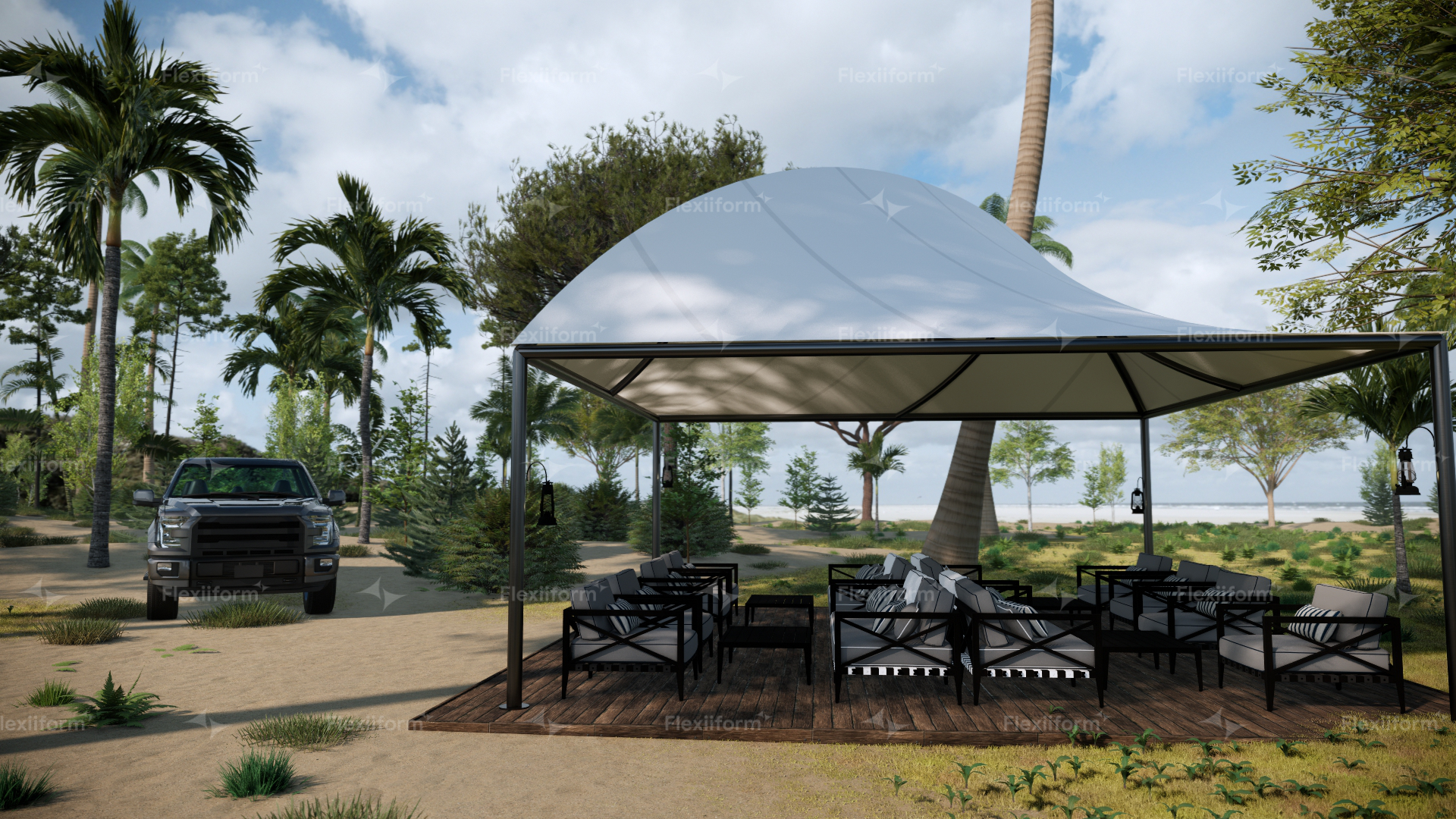
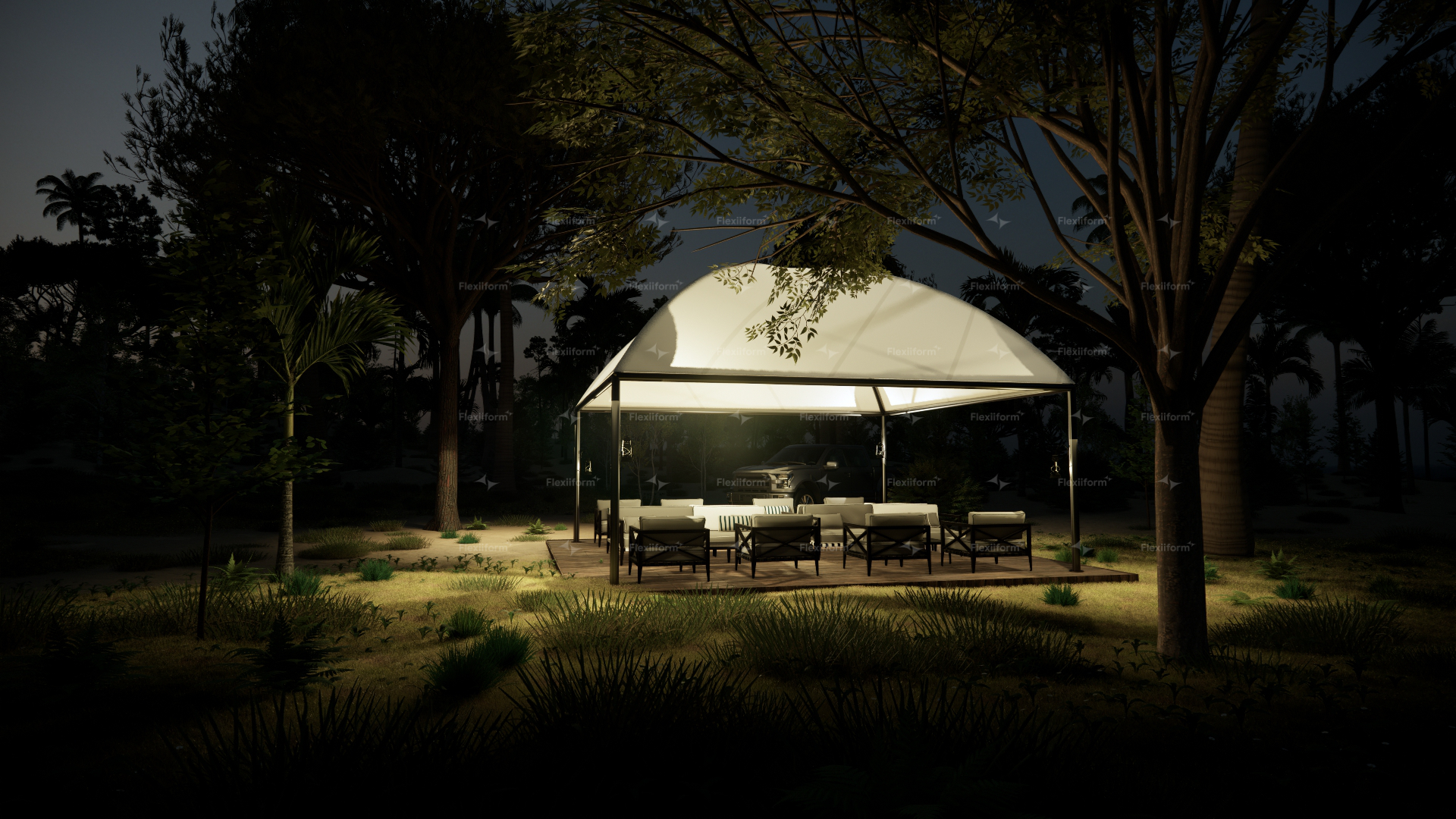
| Main seating in the middle of the garden | Dome Roof Pergola | A closed dome roof shades the whole floor from sun and rain; symmetrical from every side, so it has no “back” when placed mid-garden |
| Sofas, lounge, seats at the edge | Flared Peak Pergola | The four corners flare out past the posts, so the shade is wider than the frame and covers seats at the edge |
| Photo spot, street-facing area | Wave Roof Pergola | A single continuous curve that photographs well from any angle |
| A landmark guests can see from a distance | Cone Roof Pergola | A tall peak visible above trees; the steep roof sheds rain quickly |
| Cafes with a lake or hill view | Low Dome Pergola | A low roof line that does not block the view behind |
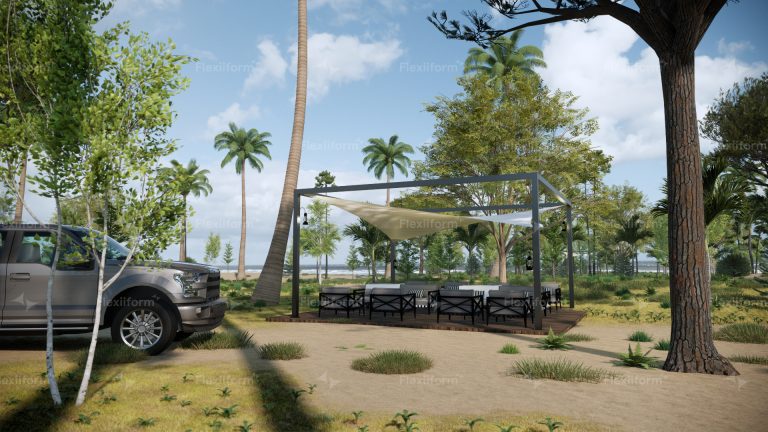
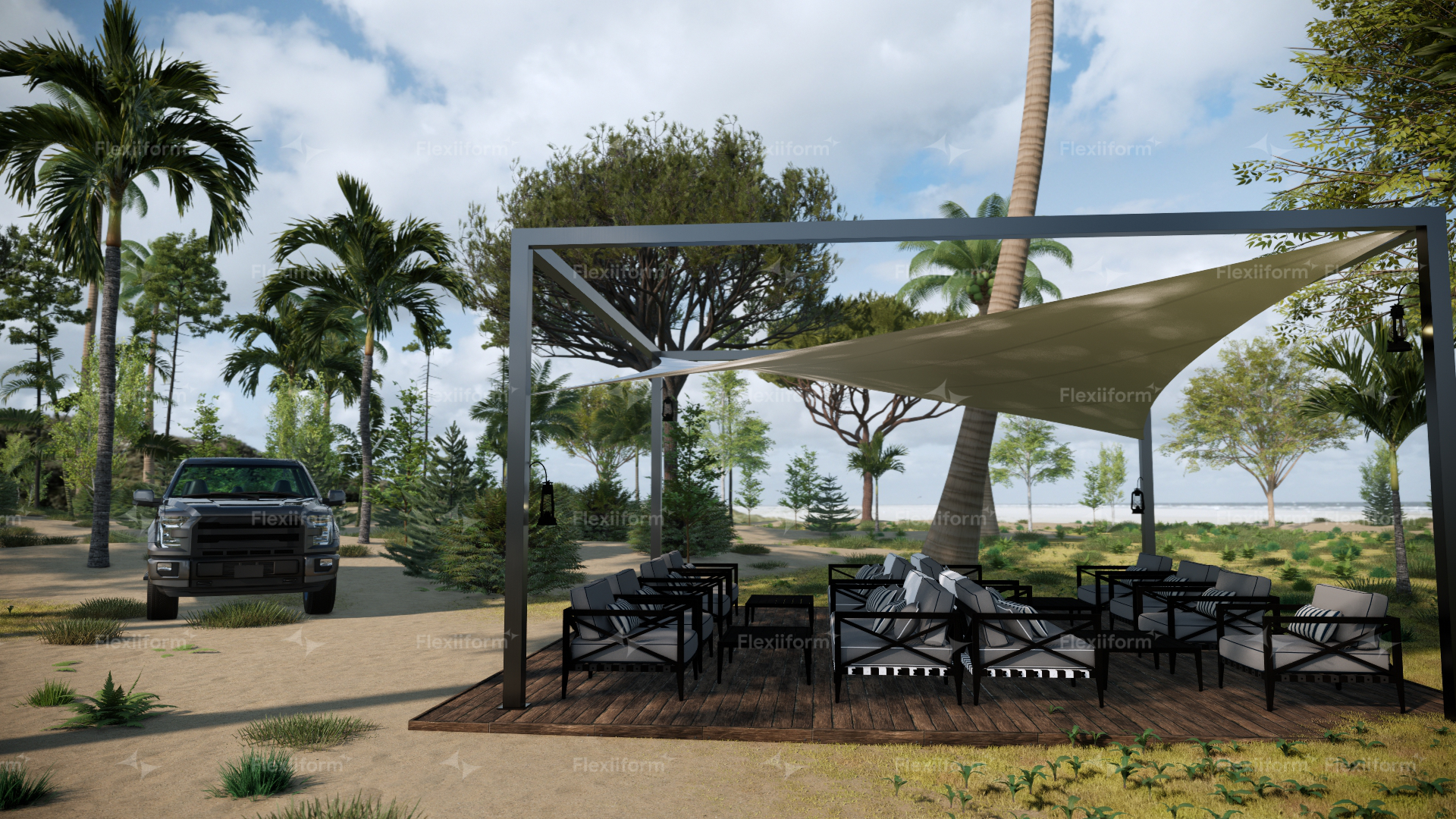
| Bar counter, daytime seating | Shade Sail Pergola | The sail casts shade while the breeze still passes, suited to outdoor cafes; mainly for sun, not rainproof |
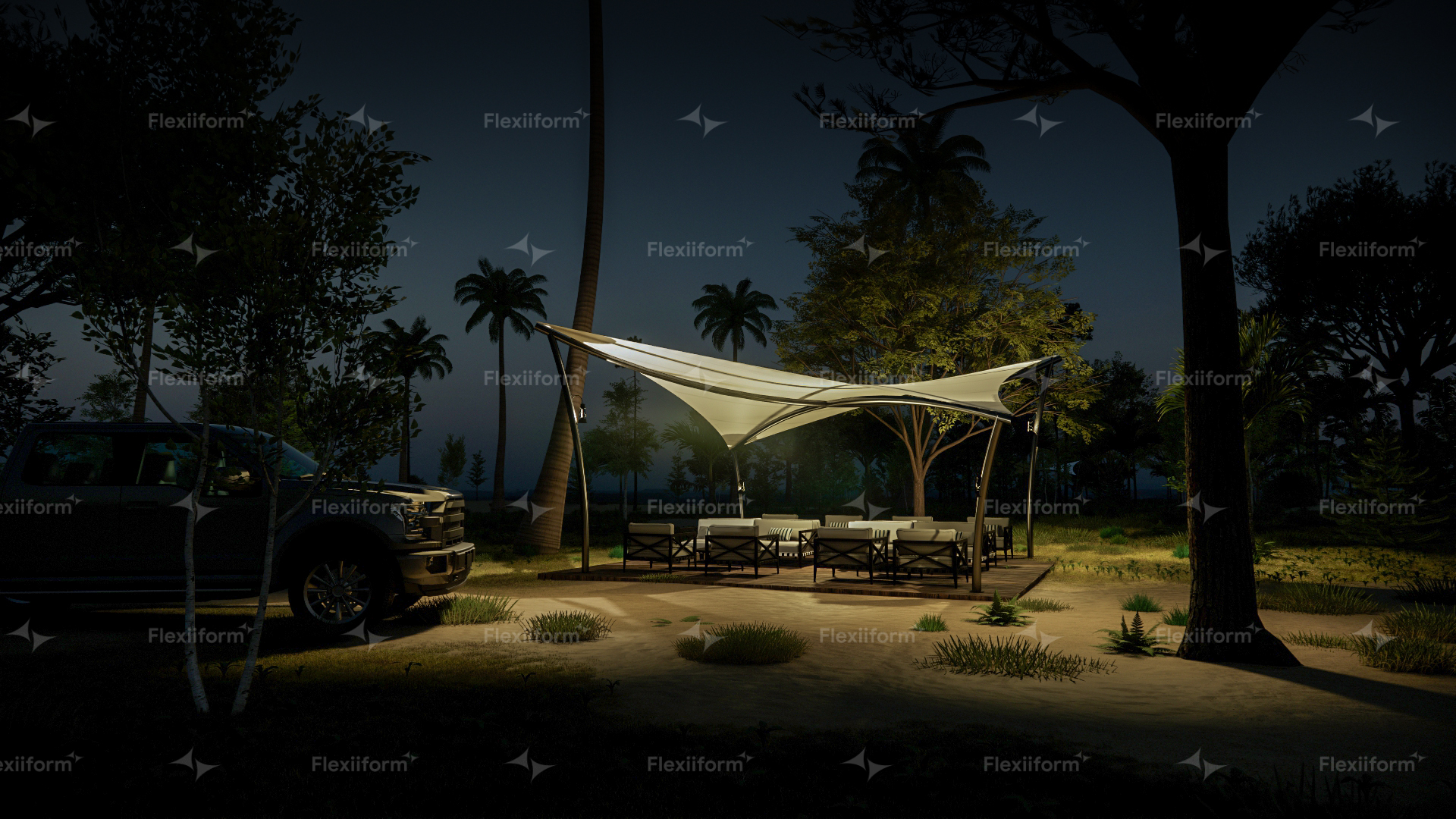
| Gardens with many trees | Curved Post Sail Pergola | Curved posts and a twisted sail blend into the greenery; mainly for sun, not rainproof |
| Parties, weekend events, holiday seasons | Star Shade Tent | One centre pole and no surrounding frame, open on all sides; no foundation digging, can be moved when the season changes |
| Entrance door, shopfront windows | Canopy Module | A fabric awning made to measure for each opening; can also fix onto a pergola frame to extend the covered area |
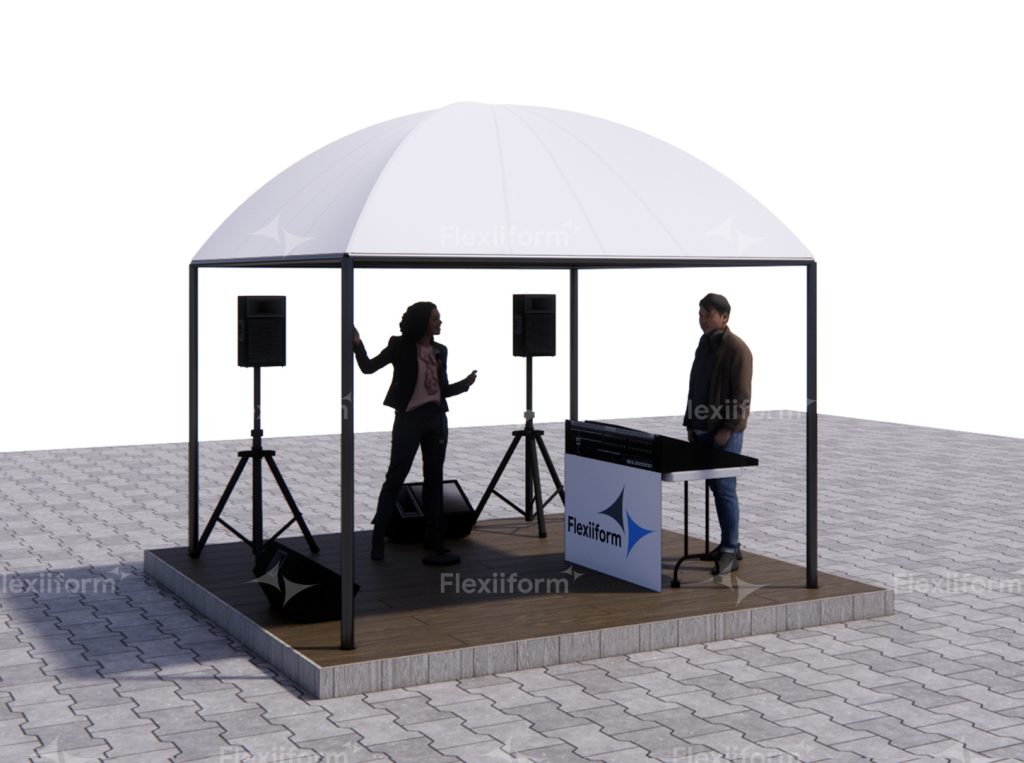
Where guests stay through a rainy afternoon, choose a closed roof: dome, cone or wave. The two shade sail models suit bar counters and morning seating, where guests want shade and air more than a closed roof.
The canopy is also the cafe’s signboard
For a garden cafe, the canopy is the largest thing guests see from the street and it appears in almost every photo they take. A few ways to make it work for the brand:
- Pick a signature roof shape: use one roof shape across the cafe, or a completely different model for the main photo spot.
- Membrane colour to match the brand: product pages have a Choose a canvas color preview with ivory white, cream and smoke grey. Frame and membrane colours are specified to match each cafe’s brand identity.
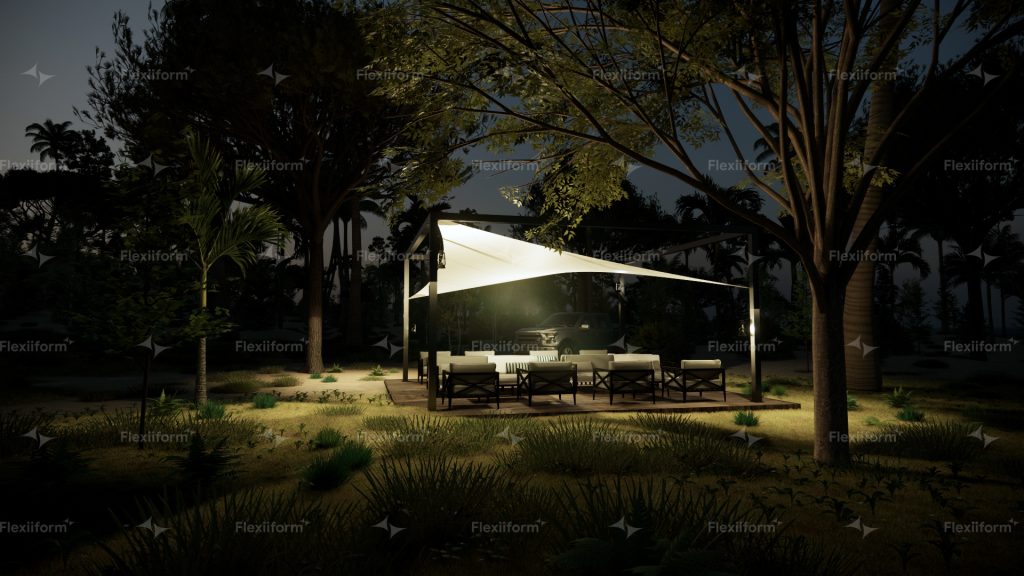
- Evening lighting: a light-coloured membrane reflects lighting strongly, so a lit tensile canopy is easy to spot at night.
Tent cafes and camping-style cafes
Camping-style cafes, where guests sit inside tents or under fabric roofs as if on a camping trip, are a popular format in Vietnam. A cafe like this often combines a pergola or star shade tent over the shared seating with a few tents used as private rooms for groups. If you want to use glamping tents as daytime seating rooms, ask Wild Duck about door openings and ventilation. Our article on double layer vs single layer tents explains why a double layer tent stays cooler.
What to check before installing a cafe canopy
- Afternoon sun: find which areas catch the sun at the cafe’s busiest hours, then orient the roof and place curtains on that side.
- Within the property line: keep the canopy, posts and curtains inside the cafe’s own grounds. If you plan to build next to the pavement or on a roof terrace, check local rules first.
- Ground for the posts: paving, concrete, decking and lawn each need a different anchoring method. Check for buried water pipes and cables before drilling.
- Power, lights and fans: plan wiring for outdoor-rated lights and fans from the start rather than running temporary cables after the roof goes up.
- Distance from grills and roasters: keep the canopy away from heat and smoke, or ask for a specific solution if the cafe has a grill area.
- Wind and storms: beachfront, hilltop and rooftop cafes see stronger wind. Ask about wind resistance and what to do with curtains when a storm is forecast.
- Installation schedule: a prefabricated pergola arrives with frame and roof made in the workshop, so time on site is shorter than for a structure built in place. Plan installation for a quiet day.
How much does an outdoor cafe canopy cost?
Prices vary widely between patio umbrellas, temporary tarps, retractable awnings, metal roofs and tensile membrane pergolas. For a Wild Duck tensile canopy, the price depends on:
- The number of canopies and the total area to cover
- The model, size and height of each canopy
- Membrane material, membrane colour and frame colour
- The anchoring method for the cafe’s ground
- Add-on modules such as curtains, partitions and fabric awnings
- Site location, transport and installation conditions
For a quote, send the cafe’s site plan (or photos of the garden with dimensions), the number of tables to cover, which areas must stay dry in the rain and the roof shape you like through the Contact page, or use the quote button on any product page. Wild Duck replies within 24 business hours.
For more pergola types and frame materials, read What Is a Pergola?. If the site also has standalone gazebos or tea pavilions, our guide to resort gazebo design compares gazebo roof types. For home gardens and villas, see our garden canopy guide.
Frequently asked questions about outdoor cafe canopies
What is the best canopy for an outdoor cafe?
There is no single best type. Main seating that must stay usable in the rain needs a fixed, closed roof such as a tensile membrane pergola or an insulated metal roof. Secondary seating that is only busy in the morning and evening can use umbrellas or shade sails. Entrances and shopfronts suit a fabric awning.
Does a tensile membrane cafe canopy keep the rain off?
The closed-roof models, such as the dome, cone and wave roofs, keep sun and rain off the tables below. The two shade sail models mainly provide shade and are not rainproof. To block wind-driven rain on an open side, add the Curtain Module.
Does Wild Duck make retractable awnings or patio umbrellas?
No. Wild Duck supplies prefabricated tensile membrane pergolas, fabric awnings, the Star Shade Tent, and curtain and partition modules. Patio umbrellas are supplied by the company Flexiiform, and folding and sliding retractable roofs and roller blinds by its FlexiiSmart range. For a seasonal canopy that can be taken down, the Star Shade Tent needs no foundation digging and can be moved.Can the canopy match the cafe’s brand colours?
Yes. Product pages have a canvas colour preview with ivory white, cream and smoke grey, and frame and membrane colours are specified to match each cafe’s brand identity.
Does the cafe have to close during installation?
Usually not the whole cafe. Frame and roof are made in the workshop and assembled on site, so time on site is shorter than for a built-in-place structure. When ordering, share your opening hours and agree an installation schedule that avoids busy times.
How much does a tensile cafe canopy cost?
It depends on the number of canopies, the area covered, the model, the membrane and any add-on modules. Send your site plan and number of tables through the Contact page for a quote within 24 business hours.
Planning a canopy for your garden cafe?
Send your site plan, the number of tables to cover and which areas must stay dry in the rain. Wild Duck will suggest models and a layout, and quote within 24 working hours.
Get cafe canopy advice