
Glamping Tipi Tent for Resorts in Vietnam: Specs and Uses
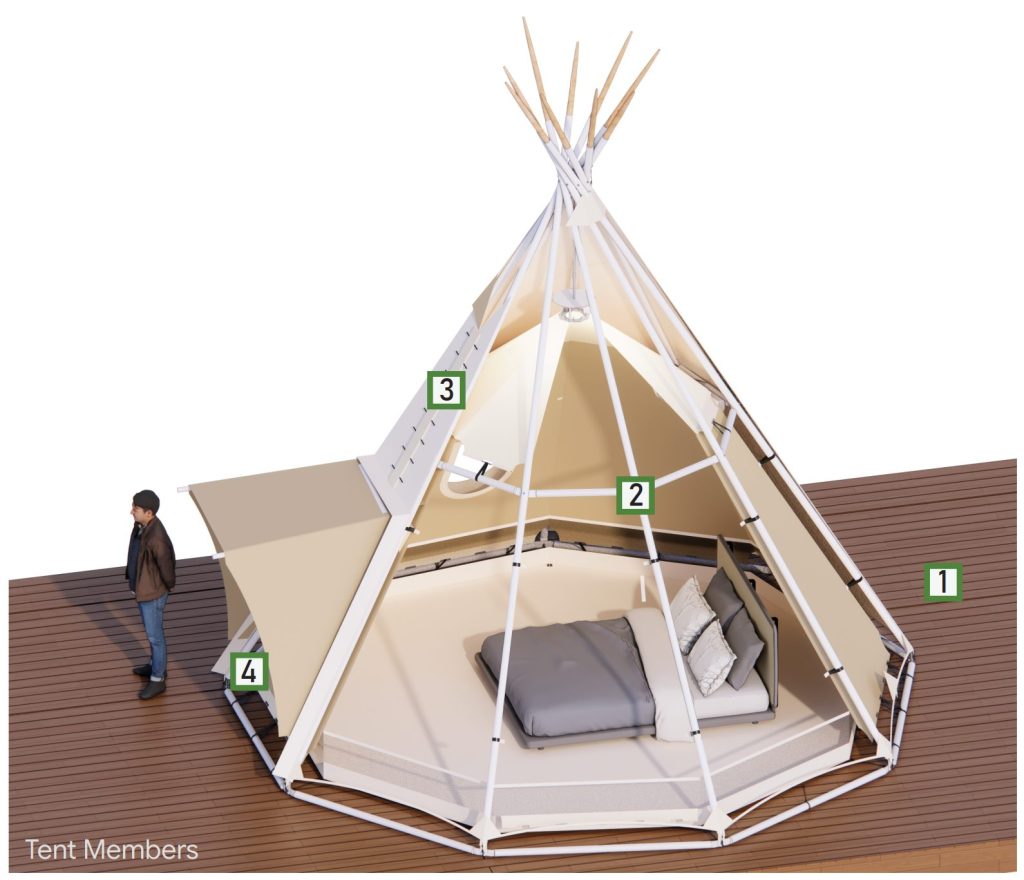
The tipi tent from Wild Duck Glamping Tent is a single-peak, cone-shaped glamping tent built on a galvanized steel frame with a PVDF roof membrane and PVC walls. It has a 7 x 7 m floor, a 6 x 6 m interior room and a 5 m peak, is rated for winds up to 100 km/h, and a crew of 5 installs it in about 8 hours with no foundation digging.
This article covers the full specifications, why the cone shape suits tropical climates such as Vietnam’s, which types of hospitality projects it fits, and the questions investors most often ask before choosing a tent for a glamping site, resort or homestay.
Tipi tent at a glance
- Shape: cone with a single peak
- Floor size: 7 x 7 m (6 x 6 m interior room, about 36 m²)
- Height: 3.6 m ceiling, 5 m peak
- Frame: galvanized steel
- Wind rating: 100 km/h (wind load 0.5 kN/m²)
- Installation: about 8 hours, 5 workers, no foundation digging
- Service life: 5 to 10 years
- Price: quoted per project
What is a tipi tent?
The tipi (also spelled teepee) is the conical dwelling of the Indigenous peoples of the North American Great Plains: long wooden poles meeting at a single point, wrapped in hides or canvas. The design lasted for centuries because it is simple, stable and easy to ventilate.
The Wild Duck Glamping Tent version keeps that classic geometry but replaces the wooden poles with a galvanized steel frame and the hides with a weather-resistant technical membrane. Its steep walls rise to one high peak, so even though the room measures 6 x 6 m, the space inside feels much taller and larger than a flat-roofed room of the same footprint.
Why a cone shape works in tropical climates
In Vietnam and much of Southeast Asia, a guest tent has to handle three things: heavy rain, strong seasonal winds and intense heat. The cone shape deals with all three through its geometry alone.
Rain runs off almost instantly
The steep roof sheds rainwater straight away, so no puddles form on the membrane. That makes this model especially well suited to high-rainfall areas.
Low wind resistance from every direction
A cone has no large flat surface for the wind to push against, so resistance is nearly the same whichever way the wind blows. Combined with the galvanized steel frame, the tent is rated for winds up to 100 km/h, equivalent to a wind load of 0.5 kN/m².
Natural ventilation through convection
Hot air rises. With a 5 m peak, the tent works like a natural chimney: warm air collects at the top and escapes outside. The membrane also limits heat absorption, keeping the living space below noticeably cooler.
Tipi tent specifications
| Item | Specification |
|---|---|
| Floor size | 7 x 7 m |
| Room size | 6 x 6 m |
| Ceiling height | 3.6 m |
| Peak height | 5 m |
| Frame | Galvanized steel |
| Wind rating | 100 km/h (0.5 kN/m²) |
| Permitted load | 1,000 kg |
| Installation time | About 8 hours |
| Crew | 5 people |
| Foundation | No digging required |
| Service life | 5 to 10 years |
The complete specification sheet is on the Tipi Tent product page.
Materials and door system
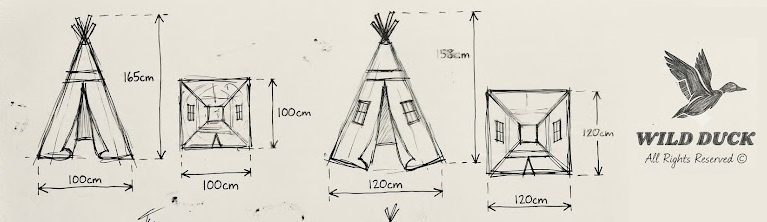
The roof uses an opaque white PVDF membrane that lets some natural light through, so the interior stays bright during the day without glare. The walls use opaque white PVC that blocks all light, giving guests full privacy. Beyond the standard setup, three material options are available:
- White, 100% light blocking
- Clear, 100% light transmitting
- Frosted, 50% light transmitting
The standard layout has 1 door (2.15 x 0.8 m) and 2 windows (0.85 x 0.65 m), and both the size and number can be changed. Doors and windows are made of clear 3-layer PVC: an insect screen, a ventilation layer and a privacy layer, which also works well when the room is air conditioned.
Fast installation with no foundation digging
A crew of 5 puts up one tipi tent in about 8 hours. The steel frame needs no concrete footings, so the site stays close to its natural state. This suits low hills, lawns and lakesides, where owners want to keep their impact on the landscape to a minimum.
A note for budgeting: the tent quote does not include the base (the platform the tent sits on), lifting equipment (scaffolding, trolleys or a crane) or transport. Talk to the Wild Duck Glamping Tent team about your actual site to get the right recommendation.
Which projects is the tipi tent right for?
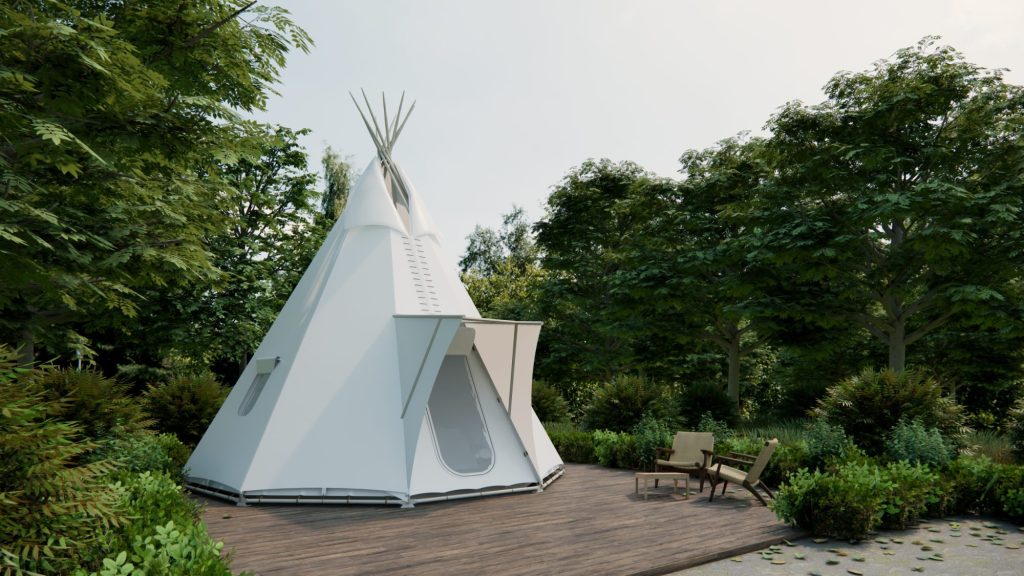
- Boutique campsites: a distinctive, highly photogenic shape that helps the property stand out on social media.
- Seasonal festival accommodation: quick to erect, no digging, easy to rearrange from one event season to the next.
- Themed glamping villages: several tents grouped together create a consistent, recognizable landscape.
- High-rainfall areas: the steep roof drains fast and needs little maintenance after the rainy season.
The tent comes in several sizes and fabric colors to match each resort’s brand identity. If your project needs a completely unique shape, see our custom tent design service.
Tipi tent vs. cone tents
The tipi tent belongs to the cone tents range from Wild Duck Glamping Tent. The main differences are size and height:
| Model | Floor size | Room size | Peak | Best for |
|---|---|---|---|---|
| Tipi Tent | 7 x 7 m | 6 x 6 m | 5 m | Centerpiece, large space |
| Single Cone Tent | 3 x 4.5 m | 3 x 3 m | 4.6 m | 2 guests, couples |
| Double Cone Tent | 4 x 7 m | 3 x 6 m | 4.6 m | Families of 4 or more |
In short, the Single Cone Tent is made for couples and the Double Cone Tent for families, while the tipi tent has the largest room and the highest peak in the range, making it the right choice when you want one tent to be the centerpiece of the whole site.
Frequently asked questions about the tipi tent
Can a tipi tent withstand storms?
The tent is engineered for winds up to 100 km/h (wind load 0.5 kN/m²), and its steep roof clears heavy rain quickly. When a storm stronger than that is forecast, the property owner should reinforce the tent and move guests to safe shelter in line with local authority advice.
How long does it take to install?
About 8 hours with a crew of 5, with no foundation digging. Preparing the base and transport are scheduled separately, depending on the site.
Does it get hot inside?
The 5 m peak creates natural convection that draws hot air up and out, and the membrane limits heat absorption. In very sunny locations the tent can also be fitted with air conditioning; the 3-layer doors include a dedicated layer that closes fully while the AC is running.
How long does the tent last?
5 to 10 years, depending on conditions of use. The membrane is easy to clean and maintenance costs are low.
Can I order a custom size or color?
Yes. Tent size, fabric color, the number and size of doors and windows, and the roof’s light transmission can all be tailored to each project’s design.
How much does a tipi tent cost?
Pricing depends on size, materials, door configuration, quantity and installation location, so Wild Duck Glamping Tent quotes each project individually. You can request a quote to receive a detailed price.
Get advice and a quote
Planning a glamping site? See the full details on the Tipi Tent product page or request a quote, and the Wild Duck Glamping Tent team will get in touch to recommend the right setup for your site and budget.